WHAT YOU NEED TO KNOW ABOUT
No cost, no appointment testing is available at the following two health centers.

1930 S. Broad St, 2nd Fl.
215-685-6585
Monday – Friday, 8:00am – 4:00pm
Mondays, 4:30pm – 7:00pm

1900 N. 20th St
215-685-2491
Monday – Friday, 7:45am – 4:00pm

It can take days to weeks from when you came in contact with syphilis to when you may notice symptoms. The symptoms are different from person to person and usually come and go in three stages:
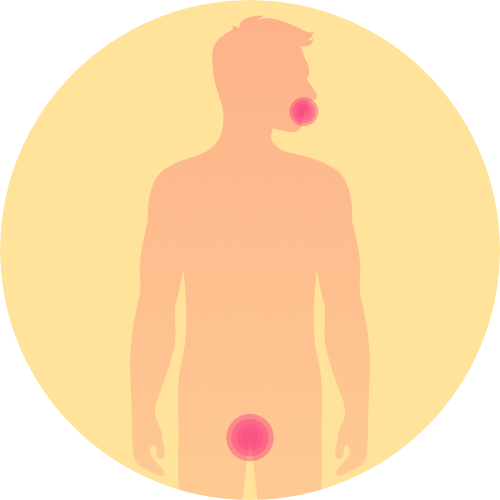
Can be a painless, open sore on your penis, balls, in or around your butthole or mouth—depending on the type of sex you have. If your partner has a sore on their penis, and you bottom without a condom your sore will be in our around your butt, or in your mouth if you give a blow job.
The sore will heal after a few weeks without medicine. However, you still have syphilis so it’s important not to ignore it.
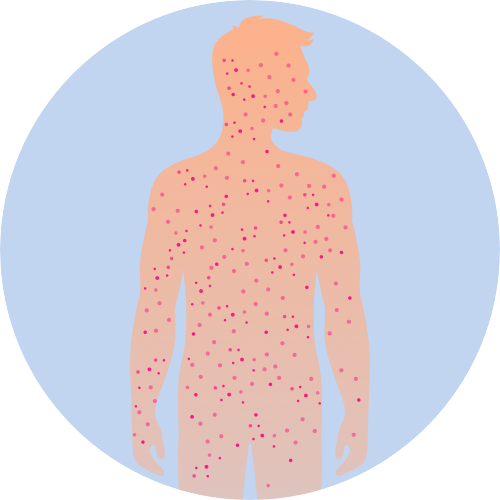
Can start as long as 6 months after being exposed to a syphilis sore. Signs can include a rash on your chest or torso, what look like spots on your hands or feet, swollen glands, white patches inside your mouth or white or warty bumps around your penis and balls. These symptoms will also go away without medication, but don’t ignore them. Especially if you experience blurry vision or eye pain, get to a doctor right away.
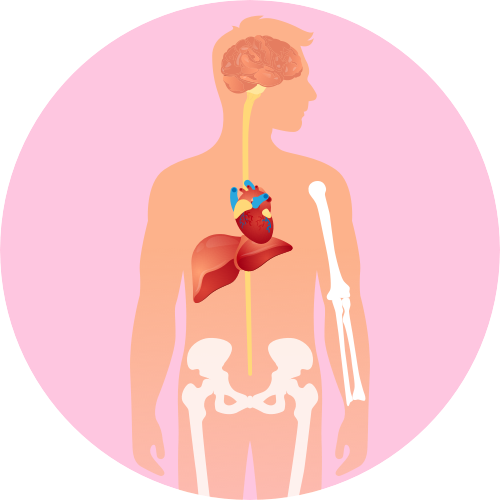
During this stage, you do not have any symptoms. But you still have syphilis and can pass it to others. This latent stage can last for as little as a year, or range from 5 to twenty years. During this stage you can also relapse and experience secondary symptoms again.
It is incredibly important not to leave syphilis untreated. Over time, it can cause serious health complications such as blindness, problems with the heart and mental illness.
Because the symptoms can be tricky to diagnose, you should have a physical exam done by your doctor and a blood test to determine if you have syphilis. Remember, a syphilis sore can be in a place like your butthole or inside your mouth so you may not notice it. That is why a blood test is so important.


If you have tested positive for syphilis, have been told by your partner they have syphilis and/or are experiencing symptoms of syphilis, you need to seek medical treatment immediately. A penicillin treatment is recommended to cure syphilis. This is given as a shot in your butt cheek. You should make sure you have follow-up blood tests 3-6 months after treatment to make sure the shot worked. Like other bacterial infections, you can get syphilis again.
It is especially important to talk to a public health worker about who you’ve had sex with, even if you don’t know a lot about them. This helps prevent syphilis infections in your community.


Using condoms every time, the correct way, will help reduce the risk of picking up and passing on both syphilis and HIV. Research shows us that having any STD or having sex with someone with an STD can increase your risk of picking up HIV. If you already have HIV, an infection like syphilis may increase the amount of virus in your cum and increase the chance you'll pass on HIV to your partner.
If you do not have a case manager, please reach out to the Health Information Helpline at 215-985-2437 to be assigned a case manager and/or to get help finding assistance.
Ayuda para facilitar las necesidades de atención médica y salud mental de personas con VIH, proporcionando además servicios de apoyo.
Ayuda a corto plazo para cubrir necesidades de emergencia, incluidos los servicios públicos, la vivienda y el transporte.
Ayuda para el pago de medicamentos.
Tratamiento por el consumo de drogas o alcohol en un consultorio u oficina clínica.
Cuidado dental.
Ayuda para obtener alimentos, ya sea en un banco de alimentos o con entrega a domicilio.
Información y educación sobre cómo se transmite el VIH y cómo atender sus necesidades de salud.
Esta agencia se idenfica como proveedor de servicios para personas de 12 a 24 años de edad. La agencia puede proveer servicios para gente de otras edades.
Línea directa para obtener medicamentos que previenen el VIH después de una exposición.
Prueba de VIH disponibles en un servicio de atención sin cita previa.
Servicios médicos de atención primaria disponibles independientemente de la capacidad de pago, el estado del seguro o el estatus migratorio.
Servicios para prevenir la transmisión del VIH relacionada con el consumo de sustancias.
Servicios para prevenir la transmisión del VIH y las sobredosis. Los servicios incluyen el intercambio de jeringas usadas por nuevas, con el fin de prevenir el VIH y otras enfermedades transmisibles.
Atención médica para el VIH en consultorios u oficinas clínicas.
Un consejero u otro profesional que lo ayude a abordar problemas de salud mental.
Atención en salud sexual, pruebas de STI y pruebas de VIH en una clínica de atención sin cita previa.
Ayuda por parte de un abogado.
Traducción de idiomas para el médico u otro proveedor de servicios.
Acceso en línea y por teléfono a medicamentos para prevenir el VIH.
Asesoramiento de un profesional autorizado sobre qué comer según las necesidades médicas específicas y ayuda para obtener alimentos o suplementos nutricionales (como Ensure).
Transporte hacia citas médicas.
Ayuda para el pago de la vivienda destinada a personas con VIH que están sin hogar o enfrentan inseguridad habitacional.
Ayuda a corto plazo para pagar la renta.
Agency has identified itself as a provider of services specifically for the age group from 12 to 24. The agency may also provide services for other age groups.
Short-term help paying for an emergency need, including utilities, housing, and transportation.
Help with paying for medication.
Help with getting food, either at a food bank or delivered to your home.
Services to prevent HIV transmission and overdose. Services include exchange of used syringes for new syringes in order to prevent HIV and other communicable diseases.
Information and education on how HIV is transmitted and how to take care of your health needs.
These are services that are sometimes called “Ryan White Services.” They are services to provide HIV care or other assistance to individuals with HIV.
These services are meant to help prevent HIV transmission. Some services are specific to people who are HIV negative, and other services are available regardless of HIV status.
HIV testing in a walk-in setting.
Help from a lawyer.
Help facilitating healthcare and mental health needs for people with HIV while providing support services.
Advice from a licensed professional about what to eat for a specific medical need and help getting food or nutritional supplements (such as Ensure).
Transportation to medical appointments.
A counselor or other professional to help deal with a mental health problem.
Dental care.
HIV medical care in an office or clinic.
A hotline to find medicine to prevent HIV after an exposure.
Primary medical care services available regardless of ability to pay, insurance status, or immigration status.
Short-term help paying rent.
Drug or alcohol treatment at an office or clinic.
Online and phone access to medicine to prevent HIV.
Help paying for housing for people with HIV experiencing homeless or with housing insecurity.
Sexual health, STI testing, and HIV testing in a walk-in clinic.