What you need to know about

• What’s PrEP? PrEP or pre-exposure prophylaxis is a regular treatment taken through pill or injectable that helps prevent HIV.
• If I already use condoms, why do I need something else? Condoms are effective for HIV and STI prevention if worn properly every time. PrEP is a 99% effective alternative to protect you against HIV. Think of it like birth control for HIV.
• Our formula for safer sex? PrEP + Condoms = You’re ready to 😉
Get PrEP free, without an in-person doctor visit with Philly, Keep on Loving TelePrEP.
Or, enter your zip code to find a PrEP friendly doctor or clinic or call the Health Information Helpline 215-985-2437
Only you and a doctor can say for sure, but you can take this confidential quiz to get a better idea now.





PrEP is covered by most insurance plans including Medicaid. If you are uninsured we have additional resources that may help you.
Everyone is different, side effects are mild and can include stomach pain or headaches but they only last just a few weeks. Some people don’t experience any side effects at all.


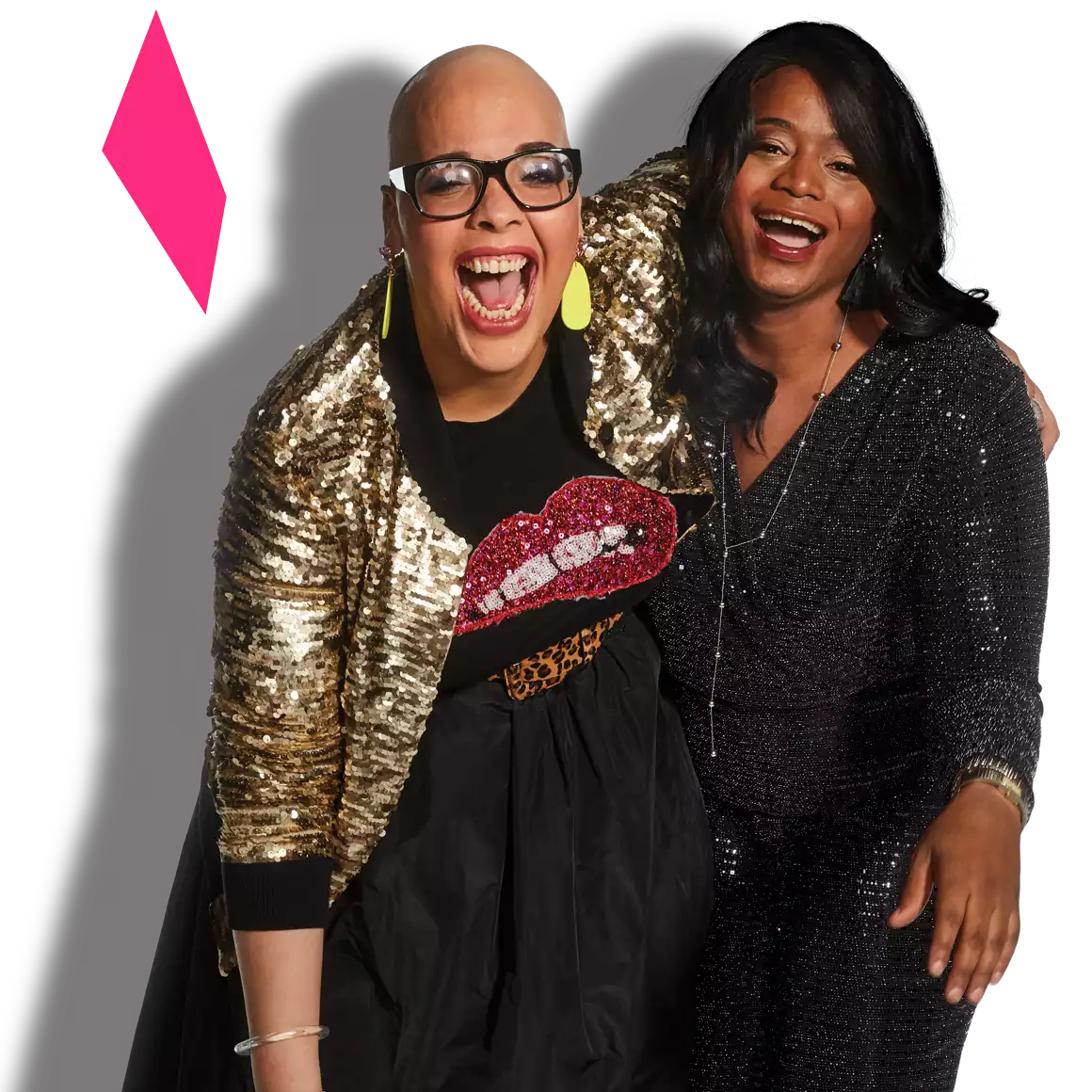
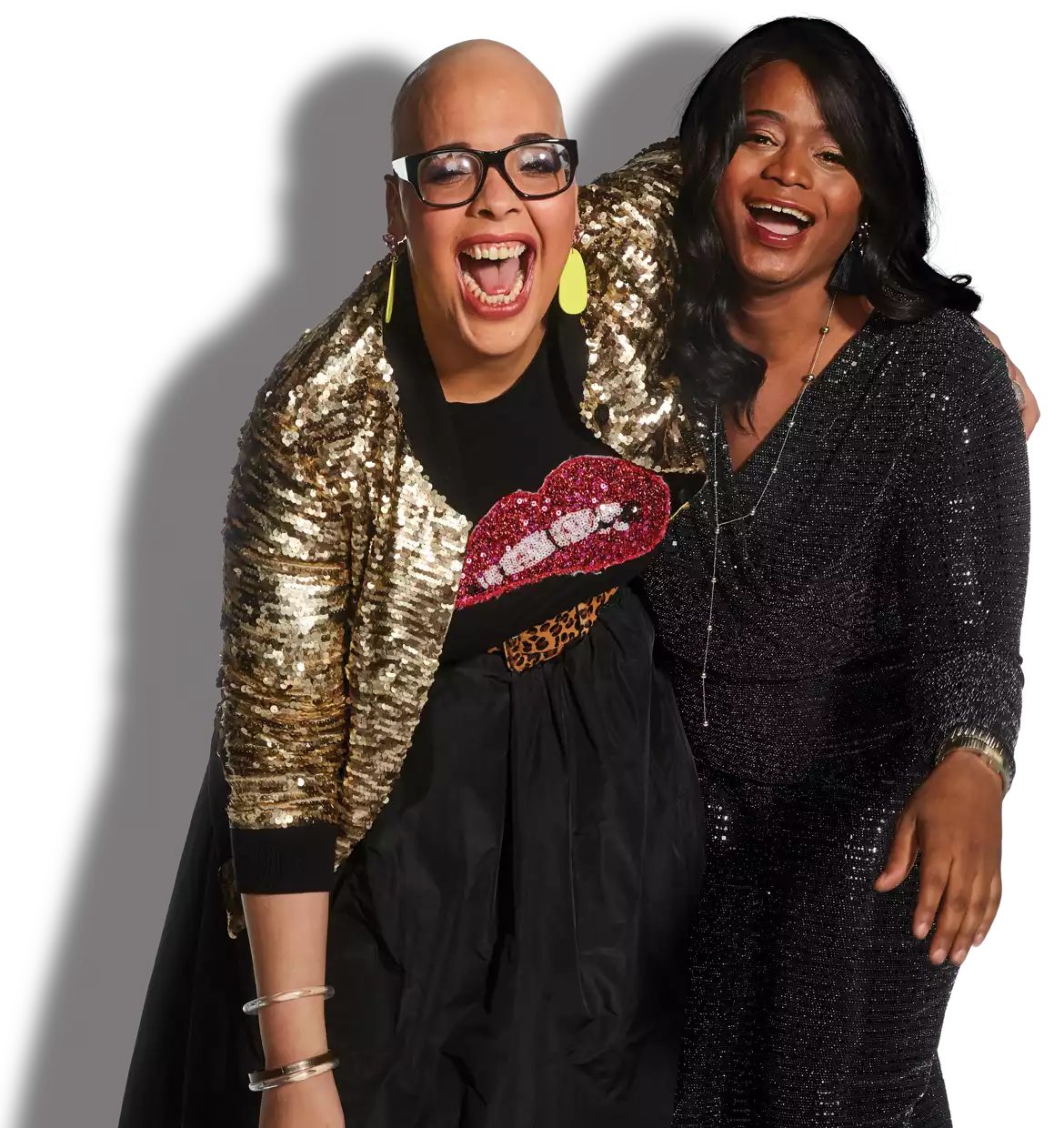
If you are a person of trans experience PrEP will not interfere with your gender affirming hormones. PrEP will also not interfere with birth control.

Discreet mailing
Different sizes available
Male condoms & female/internal condoms
We know the love glove doesn’t fit everyone the same way. That’s why we offer different sizes so you can find the perfect fit for you. Not sure what size works best? Order both sizes to try. Our packaging is discrete, sent in a plain envelope. We even put a P.O. box as the return address so no one but you knows where they came from.
If you take PrEP every day, your chances of getting HIV from sex drop by more than 90%. If you inject drugs, your risk for HIV drops by more than 70%. Add condoms and other HIV prevention methods if you want even more protection!
No. Vaccines are only given one or twice before your body learns to fight off the infection for years. Unfortunately, PrEP does not work that way. You must take it daily for full effectiveness, and if you stop, so does the protection.
Think of it like this: PrEP is like birth control, and PEP is like the morning after pill. Both can help prevent HIV, but they’re used very differently. PrEP is a daily pill that keeps you HIV negative when exposed to the virus. Meanwhile, PEP is used only as an emergency pill. If you’ve been exposed to HIV and you’re not on PrEP, taking PEP within 72 hours of exposure will help you stay HIV negative.
PrEP can help keep anyone HIV negative, regardless of age, sexual preference, or gender identity. However, there are groups of people who may especially benefit from the protection PrEP brings. This includes people who forget to use condoms, bareback, have HIV+ partners, aren’t sure of their partner’s status, have multiple partners, or inject drugs. If that applies to you, we encourage you to visit a doctor to see if you meet the medical requirements to get on PrEP. This includes an HIV negative status, a weight of at least 77 lbs., healthy kidneys, healthy bones, and a healthy liver.
PrEP is an excellent option for anybody who parties. Unlike using condoms, which require good judgment at the time of sex, you can take PrEP and get protected long before you’re in the heat of the moment. There are also no negative health interactions between PrEP, alcohol, weed and other party drugs. Please note though that PrEP’s effectiveness may decrease if you inject drugs, however, your risk for HIV is still reduced by over 70% in these situations—a significant level of protection that can make all the difference.
No sexual side effects have been reported from PrEP users. Many people even say they enjoy not having to worry about HIV during sex!
The most common side effects include headaches, stomach pain, and weight loss. However, the majority of people who take PrEP and experienced side effects say they only last for a couple of weeks. It’s rare but possible that you may experience kidney and bone issues, but once you’re on PrEP, your provider will regularly check these areas to catch anything before it becomes a problem.
The CDC reports that those who have taken PrEP for up to five years show no significant changes in their health. This may be in part to the regular checkups that come with taking PrEP. You may have heard Truvada, the medicine in PrEP and HIV treatment, is associated with kidney and bone problems in HIV+ people, but these side effects are not significant in HIV negative people with no previous history of these issues.
No need to worry—there’s no risk of PrEP interacting or lowering the effectiveness of your hormones. Research shows that feminizing hormones, in particular, are not affected. We always recommend working with your doctor though to coordinate your PrEP usage with your hormone therapy.
Most insurance plans now cover PrEP—even Medicaid! However, PrEP is still an option even for those who are not insured. We’ll work with you to find assistance programs that can help cover the cost.
Maybe. The FDA recommended approval for the use of Descovy on August 7, 2019 for use in cisgender men who have sex with men and transgender women. Studies for this drug did not include cisgender women or transgender men and for this reason, there is not enough evidence for it to be used in these populations.
If you do not have a case manager, please reach out to the Health Information Helpline at 215-985-2437 to be assigned a case manager and/or to get help finding assistance.
Ayuda para facilitar las necesidades de atención médica y salud mental de personas con VIH, proporcionando además servicios de apoyo.
Ayuda a corto plazo para cubrir necesidades de emergencia, incluidos los servicios públicos, la vivienda y el transporte.
Ayuda para el pago de medicamentos.
Tratamiento por el consumo de drogas o alcohol en un consultorio u oficina clínica.
Cuidado dental.
Ayuda para obtener alimentos, ya sea en un banco de alimentos o con entrega a domicilio.
Información y educación sobre cómo se transmite el VIH y cómo atender sus necesidades de salud.
Esta agencia se idenfica como proveedor de servicios para personas de 12 a 24 años de edad. La agencia puede proveer servicios para gente de otras edades.
Línea directa para obtener medicamentos que previenen el VIH después de una exposición.
Prueba de VIH disponibles en un servicio de atención sin cita previa.
Servicios médicos de atención primaria disponibles independientemente de la capacidad de pago, el estado del seguro o el estatus migratorio.
Servicios para prevenir la transmisión del VIH relacionada con el consumo de sustancias.
Servicios para prevenir la transmisión del VIH y las sobredosis. Los servicios incluyen el intercambio de jeringas usadas por nuevas, con el fin de prevenir el VIH y otras enfermedades transmisibles.
Atención médica para el VIH en consultorios u oficinas clínicas.
Un consejero u otro profesional que lo ayude a abordar problemas de salud mental.
Atención en salud sexual, pruebas de STI y pruebas de VIH en una clínica de atención sin cita previa.
Ayuda por parte de un abogado.
Traducción de idiomas para el médico u otro proveedor de servicios.
Acceso en línea y por teléfono a medicamentos para prevenir el VIH.
Asesoramiento de un profesional autorizado sobre qué comer según las necesidades médicas específicas y ayuda para obtener alimentos o suplementos nutricionales (como Ensure).
Transporte hacia citas médicas.
Ayuda para el pago de la vivienda destinada a personas con VIH que están sin hogar o enfrentan inseguridad habitacional.
Ayuda a corto plazo para pagar la renta.
Agency has identified itself as a provider of services specifically for the age group from 12 to 24. The agency may also provide services for other age groups.
Short-term help paying for an emergency need, including utilities, housing, and transportation.
Help with paying for medication.
Help with getting food, either at a food bank or delivered to your home.
Services to prevent HIV transmission and overdose. Services include exchange of used syringes for new syringes in order to prevent HIV and other communicable diseases.
Information and education on how HIV is transmitted and how to take care of your health needs.
These are services that are sometimes called “Ryan White Services.” They are services to provide HIV care or other assistance to individuals with HIV.
These services are meant to help prevent HIV transmission. Some services are specific to people who are HIV negative, and other services are available regardless of HIV status.
HIV testing in a walk-in setting.
Help from a lawyer.
Help facilitating healthcare and mental health needs for people with HIV while providing support services.
Advice from a licensed professional about what to eat for a specific medical need and help getting food or nutritional supplements (such as Ensure).
Transportation to medical appointments.
A counselor or other professional to help deal with a mental health problem.
Dental care.
HIV medical care in an office or clinic.
A hotline to find medicine to prevent HIV after an exposure.
Primary medical care services available regardless of ability to pay, insurance status, or immigration status.
Short-term help paying rent.
Drug or alcohol treatment at an office or clinic.
Online and phone access to medicine to prevent HIV.
Help paying for housing for people with HIV experiencing homeless or with housing insecurity.
Sexual health, STI testing, and HIV testing in a walk-in clinic.